


A refrigerator is one of the few appliances in your home that never switches off. It runs every hour of every day, quietly holding your food safe, for maybe twelve or fifteen years. So the choice you make now follows you around for a long time, which is exactly why rushing it tends to backfire.
Most people, I think, buy a fridge the way they buy petrol. Quickly, on autopilot, based on price and whatever looks roughly right in the showroom. Then two months later they realise the door opens the wrong way for their kitchen, or the thing hums louder than expected, or the weekly shop simply does not fit. Small regrets, but daily ones.
At Hadjikyriakos & Sons we have sold refrigeration into Cypriot homes since 1886, and if there is one pattern we notice, it is this: the happiest buyers are the ones who spent twenty minutes thinking about their kitchen before they thought about the appliance. That is the whole spirit of this guide.
Below, we walk through the decisions that actually matter, roughly in the order they matter:
- How much cold storage your household genuinely needs, not what looks generous on a spec sheet.
- The main fridge types and where each one shines, or falls short.
- Freestanding versus built-in, and why that single choice shapes everything else.
- What the energy label really means now that the rules have changed.
- The features worth your money, and the ones you will forget you paid for.
You will not need every section. A single person furnishing a small flat has different concerns from a family of five planning a kitchen renovation. Take what fits, skip the rest. And when the specifications start blurring together, remember that our showroom teams in Nicosia, Limassol and Paphos do this every day and can shortcut a lot of the guesswork.
Right, let us get into it.
How Much Space Do You Actually Need?
Capacity is where buyers go wrong most often, and usually in the same direction. Everyone overbuys. A larger cabinet feels safer, more future-proof, more generous. But an oversized fridge running half-empty for a decade wastes energy and floor space you could have used better. Getting the volume right is the single most useful thing this section can do for you.
The Refrigerator Space Per Adult Rule of Thumb
There is a simple starting figure the industry has used for years. Allow roughly 100 litres of fresh-food storage for the first adult in the household, then add about 50 litres for each additional person. On top of that, add a buffer of 25 to 50 litres if you cook from scratch often, entertain, or shop in bulk to save on trips.
So a couple lands somewhere near 150 to 200 litres of fridge volume, before freezer space enters the picture. A family of four sits closer to 250 to 300 litres. These are guidelines, not laws, and Cypriot households that host big Sunday lunches will lean toward the upper end without a second thought.
Here is a quick reference many buyers find handy:
| Household | Suggested fresh-food volume | Typical total (with freezer) |
|---|---|---|
| 1 adult | 100–150 L | 150–250 L |
| 2 adults | 150–220 L | 250–350 L |
| 3–4 people | 220–320 L | 350–450 L |
| 5+ people | 320 L and up | 450 L and up |
Measuring Your Kitchen Before You Commit
Numbers on paper mean little if the cabinet does not physically fit. Before falling for any model, grab a tape measure and note three things: the width of the gap, the depth including any skirting or pipes at the back, and the height up to the underside of a cabinet or shelf.
Then leave breathing room. A refrigerator needs air circulation around it to shed heat, so allow a couple of centimetres at the sides and rear, plus clearance above. And do not forget the swing of the door. Can it open fully without hitting a wall, an island, or the oven handle opposite? People overlook this constantly, and it turns a good appliance into a daily irritation.
One more thing worth checking: the route from your front door to the kitchen. Staircases, tight corners, narrow hallways. A 605-litre four-door beauty is no use if it cannot physically reach the spot.
The Main Fridge Types, Compared
Once you know your volume and your dimensions, the shape of the appliance comes next. Each configuration suits a different kind of kitchen and cook. There is no universal best, whatever a glossy advert implies.
Top-Mount and Bottom-Mount Fridges
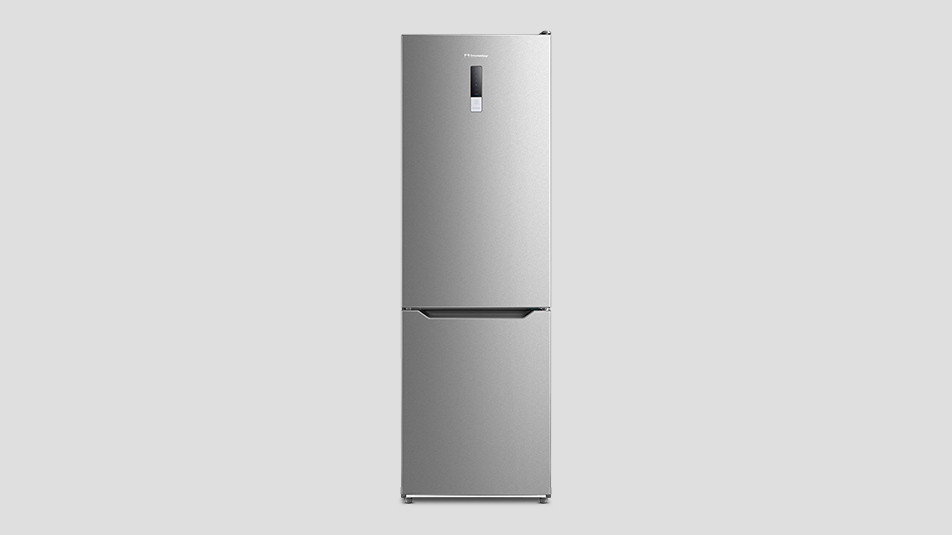
The traditional layout puts the freezer on top and the fridge below, or increasingly the reverse. Bottom-mount fridges, with the freezer drawer underneath, have grown popular for a sensible reason: you use the fresh-food section far more often, so keeping it at eye level saves your back over the years.
These designs are efficient, affordable, and mechanically simple, which often means fewer things to go wrong. For most Cypriot apartments and modest family homes, a good bottom-mount fridge-freezer remains the practical default. Not glamorous, perhaps, but genuinely hard to beat on value.
French-Door Refrigerators
French-door refrigerators pair two narrow doors up top for the fridge section, with a pull-out freezer drawer below. The appeal is width: you get a broad, shallow shelf layout that makes it easy to store large platters, and because each door is slim, it needs less clearance to open than one wide slab.
Families tend to love them. The fresh-food area sits at a comfortable height, the wide shelves swallow party trays and tall bottles, and the look is undeniably premium. They cost more, and they demand a fair bit of width, so they suit larger kitchens best. If you host often, though, the extra outlay can feel justified.
Side-by-Side Models
Split vertically, side-by-side units give you a full-height fridge on one side and a full-height freezer on the other. The standout benefit is generous frozen storage, plus tall compartments on both sides, which helps if you freeze a lot.
The trade-off is narrower shelves. A wide pizza box or a big roasting tray may not slide in easily, which surprises some buyers. Still, for households that value large freezer capacity as much as fresh-food room, these models earn their spot. Many now include through-the-door water and ice too, if that appeals.
To see the four side by side:
| Type | Best for | Advantages | Trade-offs |
|---|---|---|---|
| Top-mount | Small households, tight budgets | Efficient, affordable, simple and reliable | Freezer at eye level, fridge lower down |
| Bottom-mount | Everyday family use | Fresh food at eye height, kind to your back | Bending for frozen items |
| French-door | Larger families, frequent hosts | Wide shelves, premium look, slim doors need less clearance | Higher price, needs more width |
| Side-by-side | Households that freeze a lot | Generous frozen storage, tall compartments both sides | Narrow shelves, big trays may not fit |
Freestanding vs Built-In vs Integrated
This choice sounds technical, yet it quietly dictates your budget, your installation, and how the finished kitchen looks. Decide it early, because switching later is expensive.
Freestanding Flexibility
A freestanding refrigerator simply stands wherever there is a gap and a power socket. It is the most flexible option by far. You can take it with you when you move, replace it in an afternoon, and choose from the widest range of sizes, finishes and price points.
For renters, first homes, or anyone who values the freedom to rearrange, freestanding wins on common sense. The vast majority of fridges sold in Cyprus fall into this camp, and honestly, for most people it is the right call. No installer, no cabinetry commitment, just plug in and load up.
Built-In and Integrated Refrigerators
Built-in and integrated refrigerators disappear into your kitchen units for a seamless, high-end finish. An integrated model hides behind a cabinet door that matches the rest of your kitchen, so the appliance vanishes entirely. Built-in versions sit flush within a housing but may show a branded front.
The look is beautiful, and for a designed, streamlined kitchen it is often the point. But there are catches. These units cost more, offer slightly less internal volume for their footprint, and lock you into specific cabinet dimensions. Replacing one years later means finding a model that fits the exact same housing. Plan carefully, ideally during a full renovation rather than as an afterthought.
Here is how the three installation styles compare:
| Type | Cost | Flexibility | Appearance | Installation |
|---|---|---|---|---|
| Freestanding | Lowest | Highest, move it anytime | Visible appliance, any finish | Plug in, no fitting |
| Built-in | Higher | Locked to a housing size | Flush fit, may show a branded front | Fitted into cabinetry |
| Integrated | Highest | Locked to a cabinet door | Hidden behind matching door | Fitted, best during a renovation |
Counter-Depth and Kitchen Flow
Standard freestanding fridges stick out past your worktops, sometimes by fifteen centimetres or more. In a tight galley kitchen, that overhang breaks the visual line and can catch you as you pass. This is the problem counter-depth designs try to solve.
When Counter-Depth Refrigerators Make Sense
Counter-depth refrigerators are built shallower, so the front sits roughly flush with your kitchen worktops. The result is a cleaner, more built-in appearance without the full cost or commitment of true integration. Movement around the kitchen feels easier, and the whole space looks more considered.
What do you give up? A little internal depth, which means slightly less storage for the same width, and often a higher price than a standard-depth equivalent. For open-plan kitchens where the fridge is on show, many buyers happily accept that compromise. In a hidden utility area, less so. It really comes down to whether the appliance is part of the room’s look or tucked away out of sight.
A quick comparison of the two depths:
| Feature | Counter-depth | Standard depth |
|---|---|---|
| Footprint | Sits flush with worktops | Protrudes past worktops |
| Internal storage | Slightly less for the width | More for the same width |
| Appearance | Clean, semi-built-in look | Bulkier, more prominent |
| Price | Usually higher | Usually lower |
| Best suited to | Open-plan, on-show kitchens | Utility rooms, hidden spaces |
Which Fridge Should I Buy?
Feeling swamped by options? Here is a short decision framework. It skips the nuance on purpose, giving you a sensible default for common situations. Treat it as a nudge rather than a verdict, then refine from there.
| If you… | Choose… |
|---|---|
| Live alone or as a couple | Top-mount or bottom-mount |
| Have a growing family | French-door |
| Freeze large amounts of food | Side-by-side |
| Want a seamless designer kitchen | Integrated |
| Rent your home or move often | Freestanding |
| Have a narrow or galley kitchen | Counter-depth |
| Watch running costs closely | Any type, best kWh figure you can afford |
| Take wine seriously | Add a dedicated wine cooler |
Most people fit more than one row, of course. A renting couple who freeze a lot might weigh a freestanding side-by-side against a compact bottom-mount, and either could be right. When two rows pull in different directions, let your kitchen dimensions settle the tie. Space almost always wins the argument.
Understanding Energy Efficiency and the New Label
Here is a section people skip and later wish they hadn’t. Because a fridge runs constantly, its efficiency shows up on every electricity bill for its entire life. Small differences in the rating add up to real money over ten or twelve years, especially given Cyprus electricity prices.
Reading the A-to-G Energy Label
The rules changed, and this trips up a lot of shoppers. Back in 2021, the EU rescaled the energy label for refrigeration to a clean A-to-G format, retiring the old A+++ tier. The scale was reset deliberately tough, so that top marks leave room for future improvement.
What this means in practice: almost no fridge on sale today reaches A, and very few hit B. A great many excellent, modern refrigerators now sit at C, D, or E on the new label, and that is completely normal. A “D” today is roughly what an “A++” was under the old system. Do not dismiss a strong appliance just because the letter looks lower than you remember; the goalposts moved.
The label carries more than a letter, though. Look at these details too:
- Annual energy consumption in kWh. This is the number that hits your bill. Compare it directly between models, since two fridges sharing a letter can still differ here.
- Noise level in decibels, now shown with its own A-to-D class. Worth checking if your kitchen opens onto a living area.
- Compartment volumes, listing fridge and freezer capacity separately so you know exactly what you are getting.
What Running Costs Look Like in Cyprus
Electricity is not cheap on the island, and a fridge draws power around the clock, all year, through our long hot summers when it works hardest to stay cold. That constant load is precisely why the annual kWh figure matters more here than in cooler climates.
A more efficient model costs more upfront, sometimes noticeably so. Over the appliance’s life, however, the gap in running costs can quietly cancel out that difference, and then some. I would not obsess over squeezing out the last few kilowatt-hours, but choosing a mid-to-high efficiency unit over a cheap, thirsty one is money well spent. Think of the purchase price and the lifetime energy cost as two halves of the same number.
Cooling Technology and Food Freshness
Beyond size and efficiency sits the question of how well the appliance actually keeps food fresh. Cooling technology has moved on quite a bit, and the differences are more than marketing gloss.
No-Frost and Airflow Systems
Older fridges built up ice inside the freezer, forcing you to defrost them manually every so often. Nobody misses that chore. No-Frost technology circulates cold air to prevent ice forming, so you never scrape frost from the walls again, and food stays evenly chilled throughout.
Modern airflow systems go further. Bosch, one of the brands we carry, uses features like Dynamic MultiAirFlow to spread cooling evenly across every shelf, which reduces warm spots where food spoils faster. Some models add separate humidity-controlled drawers to keep vegetables crisp for longer and meat safely cold near the base. Little touches, but over a week they add up to less waste and fresher meals. That, ultimately, is what a fridge is for.
Freezers, Wine Coolers and Extra Cold Storage
A fridge-freezer combination handles most homes well. Yet plenty of Cypriot households want more frozen space than a combo provides, or a dedicated home for wine. This is where separate cold-storage appliances come in, and our refrigeration range covers all three: fridges, freezers, and wine coolers.
Choosing a Separate Freezer
If you buy meat in bulk, batch-cook, or garden and freeze your own produce, a standalone freezer alongside the fridge makes real sense. Chest freezers offer the most volume for the money and hold their temperature longest during a power cut, though they eat floor space and make you dig for items at the bottom. Upright freezers cost a little more per litre but organise beautifully with drawers and shelves.
The two styles at a glance:
| Feature | Chest | Upright |
|---|---|---|
| Volume per euro | Best value | Slightly pricier per litre |
| Organisation | Dig to the bottom | Drawers and shelves, easy access |
| Power-cut resilience | Holds cold longest | Warms up faster |
| Floor space | Wide footprint | Tall and narrow |
| Best for | Bulk storage, garages | Kitchens, everyday reach-in use |
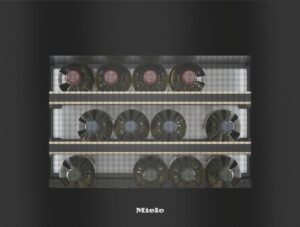
Then there are wine coolers, which hold bottles at a steady serving temperature quite different from fridge cold. For anyone who takes wine even semi-seriously, a dedicated cooler protects the bottles far better than the door of a busy kitchen fridge ever could. Our refrigeration section groups these specialist coolers alongside the mainstream models, so it is easy to see the full picture in one place.
Features That Earn Their Place
Manufacturers love a long feature list. Some of it genuinely improves daily life; some of it is there to justify a bigger number on the tag. Let us sort the useful from the forgettable.
Smart and Wi-Fi Fridge Features
Wi-Fi connectivity has crept into refrigeration, and the reaction is mixed. Certain Bosch models, for instance, connect to your phone so you can check the temperature or get an alert if a door is left open. On a hot Cyprus afternoon, that open-door warning alone can save a fridge full of food.
Is it essential? No, of course not. Most of us cooled our food perfectly well for decades without an app. But a few features are worth seeking out regardless of the smart label:
- Fast-cool or super-freeze functions, which rapidly drop the temperature after a big shop or before adding a large batch of food.
- Door-open alarms, simple and genuinely useful in a family home where the door gets left ajar.
- Reversible or flexible door hinges, letting you match the opening direction to your kitchen layout.
- EasyAccess pull-out shelves, so you actually see what is lurking at the back instead of losing it for a month.
My honest take: prioritise the practical features over the connected ones. A well-designed shelf layout improves your life more than a fridge that texts you, most days anyway.
Finishes, Sizes and Fitting Your Style
A refrigerator is also, like it or not, a large piece of furniture. It sits there in full view, so how it looks matters more than we admit. The good news is that the choice of finishes, shapes and sizes has grown enormously.
Stainless steel remains the safe, timeless pick, and fingerprint-resistant coatings have made it far more livable for families. White suits classic and country kitchens. Black and dark graphite tones have surged lately for modern, dramatic spaces, while a handful of makers offer bolder colours for those who want the appliance to stand out rather than blend in.
Beyond colour, think about proportion. A tall, slim column reads very differently from a wide, low French-door unit in the same room. Match the appliance to the visual weight of your kitchen. And handles matter too, whether recessed for a sleek flush look or bar-style for easy grip with full hands. Small stuff, sure, but you will look at this thing every single day.
Buying, Delivery and Service in Cyprus
The appliance is only half the purchase. What surrounds it, the delivery, the fitting, and the support years later, decides whether you stay happy with the choice.
Delivery of a large refrigerator is not trivial. It needs careful handling, and ideally the old unit taken away. It should also stand upright for a few hours before you switch it on, so the refrigerant settles after transport. A retailer who explains this, rather than dumping the box at your door, is worth choosing.
Then there is the long tail of ownership. Hadjikyriakos & Sons runs its own service centre with a full range of spare parts, which matters more than buyers expect. When a component eventually needs replacing, you are not left chasing parts that no longer exist for a discontinued model. We also spread the cost with six monthly interest-free installments on Visa, under standard JCC terms, and our teams in Nicosia, Limassol and Paphos can walk you through the options in person. If you would rather browse first, the full fridges category page lists current models with their capacities and specifications, and the wider refrigeration section includes freezers and wine coolers for anyone building out complete cold storage rather than buying a single appliance.
That combination, trusted brands, in-house servicing, and face-to-face advice from people who have sold refrigeration on this island for generations, is the part no online spec table can replace.
Common Questions
What size fridge do I need for a family of four in Cyprus?
A household of four typically needs around 220 to 320 litres of fresh-food storage, giving a total of roughly 350 to 450 litres once freezer space is added. Families who host large gatherings, common in Cyprus, should lean toward the upper end. Before buying, measure the kitchen gap, allow clearance for airflow and the door swing, and check the appliance can physically reach the kitchen through hallways and doorways. Our showroom staff in Nicosia, Limassol and Paphos can size a model to your exact household and space.
Why do modern fridges show energy ratings of C or D instead of A+++?
In 2021 the EU rescaled the refrigeration energy label to a stricter A-to-G format and removed the old A+++ tier. The new scale was set deliberately demanding, so almost no fridge on sale today reaches A, and most excellent modern refrigerators sit at C, D or E. A current “D” performs roughly like an old “A++.” Rather than judging the letter alone, compare the annual energy consumption in kWh, which is the figure that actually shows up on your electricity bill.
Is a built-in or integrated refrigerator worth the extra cost?
Built-in and integrated refrigerators create a seamless, high-end kitchen because the appliance hides behind matching cabinetry. The look is excellent for a designed space, but there are trade-offs: higher price, slightly less internal volume for the footprint, and fixed cabinet dimensions that make future replacement trickier. For most Cypriot homes, a freestanding model offers better value and flexibility. Integration makes sense mainly during a full kitchen renovation where a streamlined finish is the priority and the budget allows for it.
What is the difference between counter-depth and standard fridges?
Counter-depth refrigerators are built shallower so the front sits roughly flush with your kitchen worktops, giving a tidy, semi-built-in appearance without full integration. Standard-depth models protrude past the counters, which can crowd a narrow kitchen but usually offer more internal storage for the same width and cost less. Choose counter-depth for open-plan kitchens where the appliance is on display and kitchen flow matters. In a hidden utility room, a deeper standard model gives you more capacity for your money.
Do I really need a separate freezer if my fridge already has one?
Not always. A combined fridge-freezer suits most homes comfortably. A separate freezer earns its place if you buy meat in bulk, batch-cook regularly, or freeze homegrown produce, since a standalone unit adds substantial frozen storage. Chest freezers give the most volume per euro and hold temperature longest during power cuts, while upright freezers organise better with drawers. Consider your shopping and cooking habits first; if your current freezer drawer is always overflowing, a dedicated appliance is probably worth adding.