
Buying a new unit for the house should feel simple. In practice it rarely does. You walk into a showroom, or open a browser tab, and suddenly there are model numbers, capacity figures, energy letters, and words like “inverter” that nobody quite explains. So this buying guide was written to slow all of that down and put the decisions back in a sensible order.
Here in Cyprus the stakes are a little higher than in, say, northern Europe. Our summers run long and genuinely hot, coastal humidity lingers, and salt in the air near the sea shortens the life of poorly protected equipment. A wrong choice does not just cost more on the electricity bill. It can also mean a bedroom that never really cools down, or a compressor that gives up after a few seasons.
At Hadjikyriakos & Sons, we have been fitting Cypriot homes with appliances since 1886, so we have watched what works and what quietly disappoints. That long history shapes the advice here. What follows is not a sales script. It is closer to the conversation we would have with you across the counter in Nicosia, Limassol or Paphos, minus the small talk about the weather.
A few things you will find below:
- Plain explanations of the main cooling system types, and which one tends to suit which home.
- A straightforward way to match capacity to your room size without guesswork.
- What the energy label actually tells you, and where it can mislead.
- The features worth paying for, and one or two that are mostly marketing.
You do not need to read every word in order. If you already know you want a wall-mounted split, skip ahead to sizing. Perhaps you are only here for the running-cost section. That is fine too. The point is to leave you confident enough to choose, rather than overwhelmed by choice.
One small honesty note before we start. No single article can name the perfect model for every house, because insulation, window orientation, ceiling height and how many people live there all shift the answer. What a good guide can do is narrow the field sharply, and that is the aim.
Cooling Types Explained: What Actually Fits Your Space
Most people picture the same thing when they hear “air conditioner”: a white box high on a wall, humming softly. That is one option among several, and it happens to be the most popular in Cyprus for good reason. Still, it helps to see the full picture before settling, because the right type depends heavily on your building and how permanent you want the setup to be.
Split Wall-Mounted Units
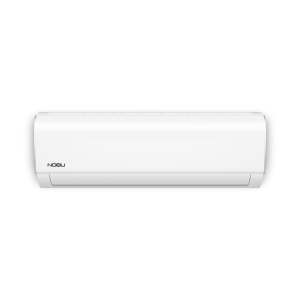
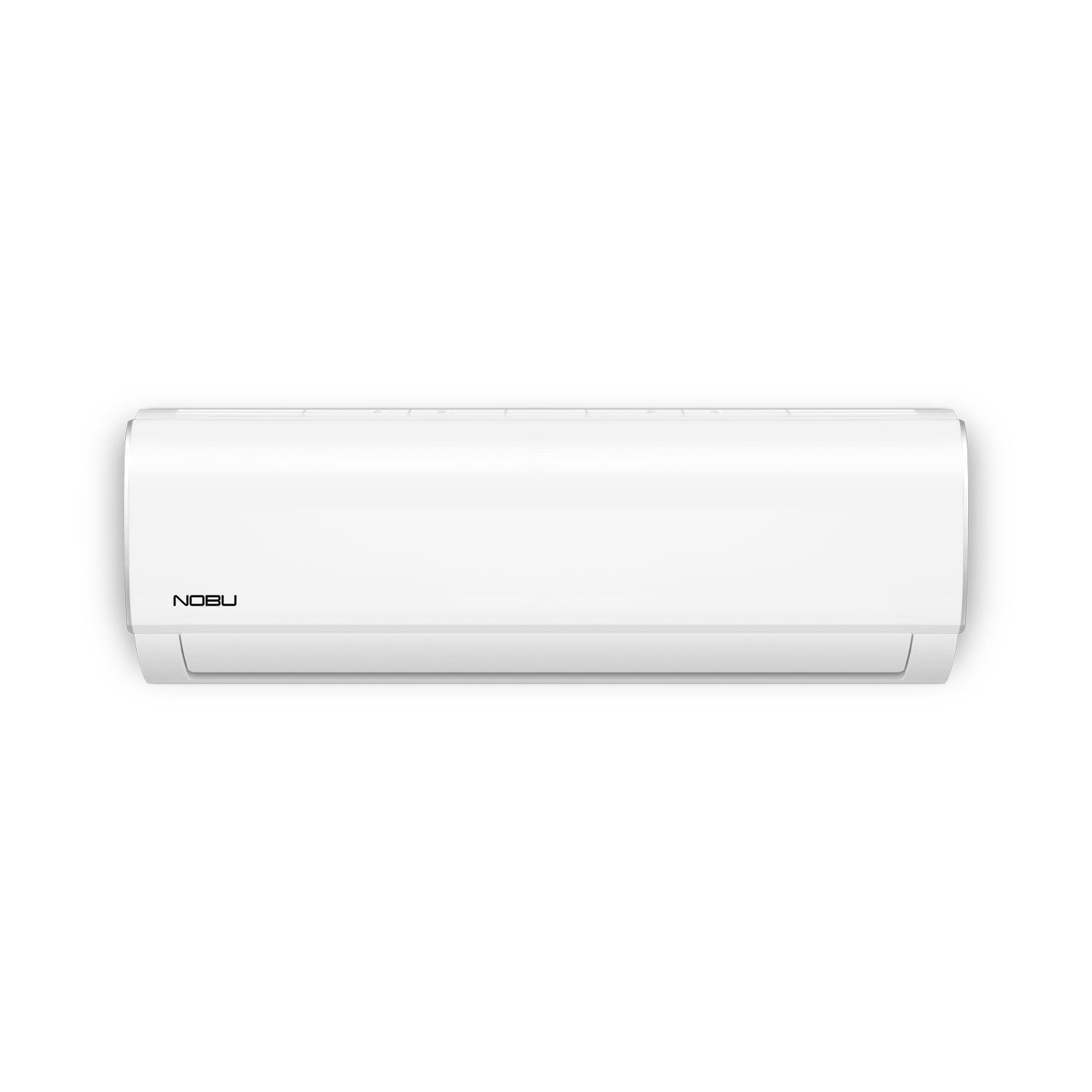
The classic split system splits its work across two parts. An indoor unit sits high on the wall, and an outdoor condenser lives on a balcony, roof or external wall. Refrigerant lines connect them through a small drilled hole. This design keeps the noisy compressor outside, which is why these systems feel so quiet inside a bedroom or living room.
For the majority of Cypriot apartments and houses, a wall-mounted split is the sensible default. It cools efficiently, it usually reverses to provide heating in winter through a heat pump cycle, and modern versions run remarkably quietly. Brands we carry, such as LG, add touches like Gold-fin coating on the condenser, which protects the exchanger from corrosion. On a coastal island, that detail matters more than it first sounds.
If you want one type to cover most situations, this is it. Reliable, discreet, and available across a wide range of capacities.
Portable and Window Units
Not every home can drill through a wall or hang a condenser outside. Renters, listed buildings, or people who move often may need something less permanent. Portable machines sit on the floor, roll between rooms, and vent hot air through a hose fed out of a window. Window units, meanwhile, slot into a window frame as a single block.
Both are honest compromises. They cost less upfront and require no installer, yet they cool a single space less efficiently and make more noise, since the compressor sits right there in the room with you. Portables in particular tend to draw more power for the comfort they deliver. For a spare room used a few weeks each summer, they can still make sense. As a main system, less so.
Multi-Split and Whole-Home Setups
What if you want to condition several rooms at once? A multi-split system connects two, three or more indoor heads to a single outdoor condenser, which tidies up the exterior of the building and often improves overall efficiency. Larger homes sometimes go further with ducted arrangements, closer in spirit to the central air common in North America, where cooled air travels through hidden ducts to vents in each room.
Ducted setups look seamless and cool evenly, though they cost considerably more and demand real planning, ideally during a renovation. For most households a multi-split hits the practical sweet spot. You get individual control per room without a forest of condensers cluttering the balcony.
Sizing It Right: Room Size, BTU and Real Comfort
Here is where good intentions often go wrong. People pick a product by price or brand, then discover it either strains to cool the room or, oddly, cools too aggressively and cycles on and off. Both problems trace back to capacity, measured in BTU.
A BTU, or British Thermal Unit, describes how much heat the machine can remove per hour. The higher the BTU rating, the more cooling power on tap. The trick is matching that power to the actual space, because bigger is not automatically better.
How BTU Maps to Square Metres
As a rough starting point, a small bedroom of thirteen to eighteen square metres pairs well with a 9,000 BTU machine. That figure is not plucked from nowhere; it reflects the real specifications on units we sell every season. Scale up from there as rooms grow. The table below gives a workable reference for typical Cyprus interiors with standard ceiling heights.
| Room size (approx.) | Suggested capacity | Typical use |
|---|---|---|
| 13–18 m² | 9,000 BTU | Bedroom, small office, study |
| 16–23 m² | 12,000 BTU | Larger bedroom, small living room |
| 25–35 m² | 18,000 BTU | Living room, open-plan kitchen area |
| 35–50 m² | 24,000 BTU | Large lounge, combined spaces |
Treat these as a guide, not gospel. A room with wide west-facing glass, poor insulation, or a flat roof soaking up afternoon sun will need a step up. A shaded, well-insulated space might manage with a touch less.
Mistakes People Make With Capacity
The most common error is oversizing “just to be safe.” An oversized machine cools the air quickly, then shuts off, then restarts a few minutes later. That short-cycling wears the compressor and, counterintuitively, leaves the room feeling clammy because the unit never runs long enough to pull moisture from the air. Comfort suffers even though the thermometer reads correctly.
Undersizing brings the opposite trouble. The system runs flat out on the hottest days, never reaching the set temperature, and your bill climbs while your comfort does not. Somewhere between those extremes sits the right answer, and honestly, it pays to ask rather than guess. Our showroom staff size rooms all day; a two-minute chat can save a costly mismatch.
Energy Ratings and Running Costs in a Cyprus Summer
An air conditioner is a long-term relationship with your electricity meter. The purchase price is one number; the seasonal running cost, added up over eight or ten years, is often the larger one. This is where energy ratings earn their keep, and where a little knowledge protects your wallet.
Reading SEER and SCOP
European air conditioners carry an energy label running from A+++ down to D. Cooling efficiency is scored by SEER, the Seasonal Energy Efficiency Ratio, while heating efficiency uses SCOP, the Seasonal Coefficient of Performance. Both are “seasonal” figures, which is the point. Older ratings measured performance at a single test condition; the seasonal versions reflect how the machine behaves across a real range of temperatures, which is far closer to daily life.
A higher number means more comfort per unit of electricity. A SEER of 7 delivers seven units of cooling for every one unit of power drawn, across the season. Worth noting, though: the letter classes were set years ago and never rescaled, so nearly every current split lands in the A++ to A+++ band. Two machines can share the same letter yet differ meaningfully in their actual SEER value. When you compare, look past the letter to the underlying number.
There is a Cyprus angle here that few people mention. SCOP is calculated against European climate profiles, and the “warmer” profile is based on Athens. That makes the warm-climate SCOP figure genuinely relevant to our conditions, more so than the average-climate number quoted in colder markets.
Inverter vs Fixed-Speed
The single biggest efficiency decision is inverter versus fixed-speed. A fixed-speed compressor runs at full blast or not at all, clicking on and off to hold a temperature. An inverter varies its speed, easing back once the room is comfortable and sipping power to maintain it. That constant, gentle operation can cut energy use by roughly thirty percent against older fixed designs, and it keeps the temperature steadier too.
For anyone running cooling for months at a stretch, and in Cyprus that is most of us, inverter technology repays its slightly higher price quickly. A fixed model might suit a rarely used holiday flat. For a lived-in home, the inverter is almost always the smarter buy.
Features Worth Paying For (and a Few That Aren’t)
Once capacity and efficiency are settled, the feature list is where marketing gets loud. Some additions genuinely improve daily life. Others sound impressive on a spec sheet and rarely get used. Let us separate the two with a clear eye.
Air Quality: Filters, UV-C and Ionizers
Modern machines do more than move cold air around; several now clean it. Ultraviolet Type C technology and built-in ionizers target germs, bacteria and viruses as the air passes through, which appeals to households with allergies or young children. A good filter also traps dust and pollen, and for many Cypriot homes near dusty roads or agricultural land, that is a quiet everyday benefit.
Are these features essential? Not strictly. Plenty of people cool their homes happily without them. But if someone in the house is sensitive to airborne irritants, the upgrade is easy to justify. Just remember that filters need regular cleaning to keep working, whatever technology sits behind them.
Smart Control and Quiet Operation
Wi-Fi control has shifted from novelty to genuinely handy. Being able to switch on the living-room unit from the car on your way home, so the space is comfortable when you walk in, is the kind of small convenience you stop noticing only because you rely on it. Many of our LG models arrive Wi-Fi ready with smart remote control, and some carry an energy-saving “Hotel Menu” function claimed to trim consumption sharply.
Noise deserves attention too, especially for bedrooms. Check the quiet-mode decibel figure, not just the headline sound level. A unit that whispers at night is worth a small premium if you are a light sleeper. I would rank low noise above most flashy extras, personally, though your priorities may differ.
Installation, Support and Buying in Cyprus
A brilliant machine fitted badly becomes a mediocre machine. Installation quality shapes efficiency, noise and lifespan more than most buyers expect, so this stage deserves as much care as the purchase itself.
Coastal Corrosion and the Cyprus Factor
Living on an island means salt-laden air, and salt is the slow enemy of any outdoor condenser. Over time it eats at exposed metal, especially the heat exchanger fins. This is exactly why protective coatings like the Gold-fin treatment on LG condensers are not a gimmick here. They meaningfully extend the life of the unit in coastal and near-coastal locations, which covers a large share of Cypriot homes.
Placement matters as well. An outdoor condenser shielded from direct afternoon sun and driving sea spray simply lasts longer and runs more efficiently. A competent installer will factor this in rather than bolting the box wherever is quickest.
Beyond the technical side, there is the practical question of what happens after the sale. Hadjikyriakos & Sons runs its own service centre with a full range of spare parts, which means a repair down the line does not turn into a hunt for components that no longer exist. We also offer six monthly interest-free installments on Visa, under standard JCC terms, and our showroom teams in Nicosia, Limassol and Paphos can size your rooms in person. If you would rather see the full range first, our air conditioners category page lists the current models with their capacities and specifications side by side, and the wider cooling and heating section includes dehumidifiers and fans if you are building out complete home comfort rather than a single purchase. That mix of trusted brands, in-house servicing and face-to-face advice is the part a spec sheet cannot capture.
Common Questions
What size air conditioner do I need for a standard Cyprus bedroom?
For a typical bedroom of roughly thirteen to eighteen square metres, a 9,000 BTU inverter split is usually the right match. Rooms with large west-facing windows, a flat roof, or weak insulation may need the next step up to 12,000 BTU. Ceiling height and the number of occupants also nudge the figure. Rather than guessing, share your room dimensions with our showroom staff, who size spaces daily and will factor in sun exposure and Cyprus heat before recommending a specific capacity.
Is an inverter air conditioner really worth the extra cost?
In Cyprus, almost always yes. An inverter compressor adjusts its speed continuously instead of switching fully on and off, which trims energy use by around thirty percent compared with older fixed-speed designs and holds a steadier temperature. Because our cooling season stretches across many months, those savings accumulate fast and typically recover the higher purchase price within a few years. A fixed-speed model can still suit a rarely used holiday flat, but for any home in regular daily use, the inverter is the more economical long-term choice.
How do I read the energy label when choosing between models?
The label rates cooling by SEER and heating by SCOP, on a scale from A+++ to D. Higher numbers mean more comfort per unit of electricity across a full season. One catch: the letter classes were set years ago and never updated, so most current splits sit in the A++ to A+++ band despite real differences between them. Compare the actual SEER and SCOP figures, not just the letter. For Cyprus, pay attention to the warm-climate SCOP, since that profile is based on Athens and reflects our conditions closely.
Why does coastal air matter when buying air conditioning here?
Salt carried in sea air gradually corrodes exposed metal on the outdoor condenser, particularly the heat exchanger fins, which shortens the unit’s working life. Since so many Cypriot homes sit near the coast, protective coatings such as Gold-fin on LG condensers offer real value rather than marketing shine. Smart placement helps too, keeping the outdoor box away from direct sea spray and harsh afternoon sun. When you buy, ask specifically about corrosion protection and installation position, because both strongly influence how long your investment keeps performing.
Can one air conditioner heat my home in winter as well?
Yes. Most modern wall-mounted splits are reversible heat pump systems, meaning they cool in summer and heat in winter from the same machine. In Cyprus, where winters are mild, this often replaces separate heaters entirely and does so efficiently, since a heat pump moves existing heat rather than burning energy to create it. Check the SCOP figure for heating performance and confirm the unit is reverse-cycle before buying. For many local homes, a single well-chosen split covers comfort across the whole year.